
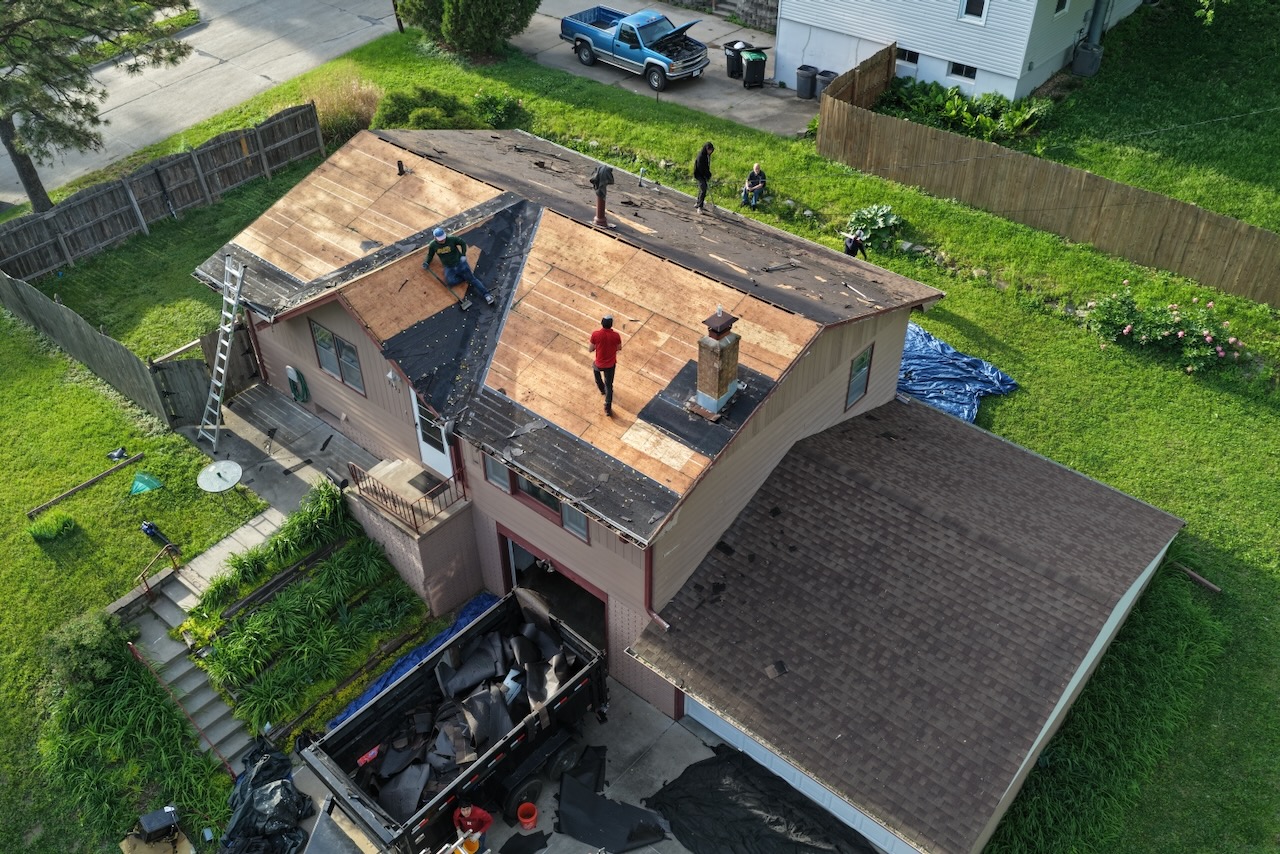
When replacing a residential roof in the Midwest, homeowners face a critical material choice: standard architectural asphalt shingles or premium Class 4 impact-resistant shingles.
What Is a Class 4 Rating?
Under the UL 2218 impact test, shingles undergo testing where steel balls (up to 2 inches in diameter) are dropped from heights up to 20 feet. To earn a Class 4 rating, the shingle back and surface must show zero cracking or structural tearing upon double impact.
| Metric | Standard Architectural (Class 1-3) | Class 4 Impact-Resistant (SBS Polymer) |
| Hail Resistance | Vulnerable to bruising at 1.25″+ hail | Resists punctures up to 2″ hail |
| Material Flexibility | Standard oxidized asphalt; stiffens in cold | Rubberized SBS polymer; flexes under shock |
| Upfront Cost | Baseline investment | 10%–20% premium over standard |
| Insurance Discount | Typically none | Potential 10%–25% annual premium savings |
Financial Return in Nebraska
While Class 4 materials carry a modest upfront cost increase, they frequently pay for themselves in two distinct ways:
- Avoiding Deductibles: Preventing shingle tears during moderate hailstorms keeps you from paying out-of-pocket deductibles on frequent storm claims.
- Homeowner Policy Reductions: Most major insurers offer recurring annual premium credits for certified Class 4 installations.
Considering a full exterior upgrade? View our complete range of Residential Roofing Installation Options.